
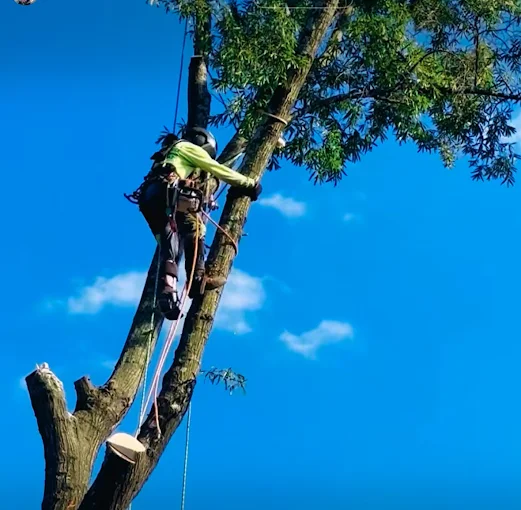
Tree trimming in Murfreesboro, TN is usually best during the dormant season, particularly from late fall through late winter before new spring growth begins. With fewer leaves covering the canopy, tree structure is easier to inspect, and weak, crossing, or damaged branches can be identified more accurately.
However, the right time to trim a tree also depends on its species, age, flowering cycle, condition, and location. Dead, broken, storm-damaged, or dangerous branches should be addressed as soon as possible, regardless of the season.
What Is the Best Time to Trim Trees in Murfreesboro?
For most established deciduous trees, the best time to trim trees is from late fall through late winter while they are dormant. Late winter is often especially suitable because the tree’s branch structure is clearly visible, but active spring growth has not yet started.
The correct timing for professional tree pruning and trimming depends on several factors:
- Tree species and age
- Spring or summer flowering
- Overall health and structure
- Dead or diseased branches
- Recent wind or storm damage
- Proximity to roofs, driveways, fences, and power lines
Routine pruning can often be scheduled for the dormant season. Safety-related trimming should not be delayed simply because it is not the preferred time of year.
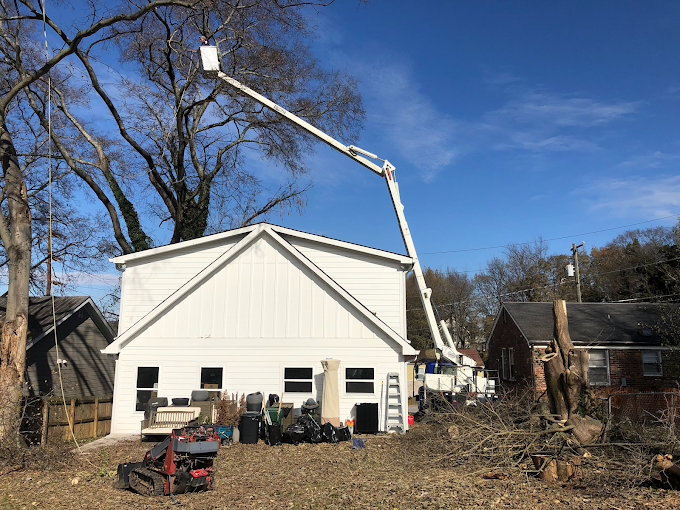
Why Is Dormant-Season Pruning Often Recommended?
Dormancy is the period when visible growth slows and many deciduous trees lose their leaves. For many species, this makes winter tree pruning easier to plan and perform precisely.
The Tree’s Structure Is Easier to See
Without dense foliage, tree-care professionals can more clearly identify:
- Crossing or rubbing branches
- Deadwood
- Weak branch unions
- Overcrowded growth
- Cracks and structural defects
- Excessive weight on one side of the canopy
Clear visibility is particularly important when branches grow over roofs, walkways, parked vehicles, fences, or outdoor living spaces.
Structural Problems Can Be Corrected Before Spring Growth
Late-winter pruning allows weak, poorly positioned, or competing branches to be removed before the tree begins producing new leaves and shoots. Proper cuts may improve branch spacing, reduce unnecessary canopy weight, and encourage a stronger long-term structure.
Local extension guidance generally favors dormant-season pruning for many trees. However, timing may vary for flowering trees, evergreens, young trees, and species with particular health concerns.
When Should Trees Be Trimmed During Each Season?
Each season offers different opportunities and limitations for tree care.
Winter: Best for Most Routine Tree Trimming
Winter is often the best time of year to prune trees for structural improvement. Common winter work includes:
- Removing crossing branches
- Thinning overcrowded growth
- Improving clearance around structures
- Correcting weak branch arrangements
- Removing dead or damaged limbs
- Improving the tree’s overall balance
Late winter is especially useful because the canopy is easier to inspect before buds begin opening.
Spring: Consider New Growth and Flowering
Trees use stored energy to produce leaves, flowers, and new shoots during spring. Heavy pruning during this active growth period may place additional stress on some trees.
Spring-flowering trees require special attention. Many of these trees develop flower buds on older wood. Trimming them before they bloom could remove the flowers homeowners expect to enjoy.
For that reason, many spring-flowering trees are pruned shortly after blooming. Anyone researching when to prune trees in Tennessee should consider the tree’s flowering cycle rather than relying on the calendar alone.
Summer: Appropriate for Light Corrective Work
Summer may be suitable for limited corrective pruning, such as:
- Removing dead branches
- Improving clearance
- Correcting a minor structural problem
- Removing storm-damaged limbs
- Controlling limited unwanted growth
Heavy canopy removal during extreme heat or dry weather may place unnecessary stress on certain trees. A professional Murfreesboro tree trimming service can evaluate the tree and determine how much pruning is appropriate.
Fall: Inspect Before Performing Major Pruning
Early fall is not always the ideal time for extensive pruning because trees are preparing for dormancy. Late fall, after leaves have dropped and growth has slowed, may be more suitable for many deciduous trees.
Weather conditions also matter. Pruning should be postponed when branches are icy, frozen, or unsafe to access.
Why Does Murfreesboro’s Local Climate Matter?
Tree-pruning decisions should reflect conditions in Murfreesboro and throughout Rutherford County.
Middle Tennessee can experience severe thunderstorms, strong winds, heavy rain, and periods of saturated soil. These conditions may weaken branches, expose hidden cracks, or place additional pressure on trees with unbalanced canopies.
Properties in Blackman, Northfield, central Murfreesboro, and surrounding Rutherford County communities may also have mature trees growing close to homes, driveways, sidewalks, fences, and utility lines.
Regular inspections and properly timed seasonal tree care in Tennessee can help identify potential hazards before storms turn weak limbs into expensive property damage.
Does the Best Pruning Time Depend on the Tree Species?
Yes. There is no single pruning schedule that works for every tree.
Deciduous Shade Trees
Many oaks, maples, and other leaf-dropping shade trees are commonly inspected and pruned during dormancy. Without leaves, it is easier to identify weak structure, crossing limbs, and areas of excessive growth.
Spring-Flowering Trees
Trees that bloom in early spring may need pruning after flowering. Cutting them too early can remove buds formed during the previous growing season.
Evergreen Trees
Evergreens usually need selective trimming rather than aggressive canopy reduction. Cutting too deeply into areas without green foliage may leave permanent gaps and damage the tree’s natural form.
Young Trees
Young trees may benefit from formative or structural pruning. Early correction can encourage well-spaced branches and reduce the need for major corrective work as the tree matures.
If a tree also shows discoloration, decay, fungus, insect activity, or unusual leaf loss, consider arranging a professional tree health evaluation before trimming.
What Are the Signs That a Tree Needs Trimming?
A tree may need professional tree trimming in Murfreesboro when you notice:
- Dead, broken, or hanging limbs
- Branches rubbing against a roof
- Limbs touching gutters, siding, or windows
- Cracked or splitting branch unions
- Low branches blocking a walkway or driveway
- Diseased or discolored sections
- Excessive growth on one side of the canopy
- Branches interfering with signs, lights, or visibility
- Storm damage that changes the tree’s balance
Early attention may improve the tree’s appearance, support healthier growth, and reduce the risk of branches damaging people or property.
When Should a Tree Be Trimmed Immediately?
Safety concerns are more important than seasonal timing.
Do not wait for winter if a branch is hanging above a driveway, leaning toward a building, blocking access, or threatening people, vehicles, or nearby structures.
After severe weather, inspect trees from a safe distance. Look for newly broken branches, hanging limbs, exposed roots, trunk cracks, or sudden leaning. If the tree appears unstable, arrange emergency tree trimming or hazardous tree removal as soon as possible.
Never attempt to cut branches touching or hanging close to electrical lines. Stay away from the area and contact the appropriate utility provider or a properly qualified tree-care professional.
How Often Should Trees Be Trimmed in Murfreesboro?
Most trees do not require major trimming every year. The correct schedule depends on the tree’s species, age, growth rate, location, health, and exposure to storms.
Young trees may need occasional structural pruning as they develop. Mature trees may require periodic inspections to identify deadwood, weak unions, roof interference, or storm-related damage.
Trees growing near homes, roads, parking areas, schools, commercial properties, or frequently used outdoor spaces may need more regular monitoring.
A professional assessment can determine whether the tree requires:
- Deadwood removal
- Structural pruning
- Clearance pruning
- Crown thinning
- Corrective pruning
- No immediate work
Is Tree Trimming the Same as Tree Pruning?
The terms are often used interchangeably, but they can describe slightly different goals.
Tree trimming commonly refers to controlling overgrowth, improving clearance, or maintaining appearance. Tree pruning generally focuses on tree health, structure, safety, and the removal of dead, weak, or diseased wood.
A local tree service in Murfreesboro may use both approaches during the same visit, depending on the tree’s condition and the property owner’s goals.
Should You Trim Trees Yourself or Hire a Professional?
Homeowners may be able to remove small, reachable branches using clean tools and proper cutting techniques. However, professional help is the safer choice when the work involves:
- Ladders or climbing
- Chainsaws
- Large or heavy branches
- Utility lines
- Limbs over roofs or vehicles
- Storm-damaged trees
- Structural instability
- Possible disease or internal decay
Improper cuts can damage the trunk, weaken branch attachment, remove too much canopy, or create new hazards. A licensed and insured tree-care company can recommend the appropriate timing and complete the work using suitable equipment.
Frequently Asked Questions
What month is best for tree trimming in Murfreesboro?
Late winter is generally one of the best periods for trimming many deciduous trees. However, the exact month depends on the species, flowering cycle, condition, and purpose of the pruning.
Can dead branches be removed at any time?
Yes. Dead, broken, or hazardous branches can generally be removed whenever they are discovered. Safety-related pruning should not be postponed.
When should flowering trees be pruned?
Many spring-flowering trees are best pruned shortly after they finish blooming. This reduces the chance of removing unopened flower buds.
Can trees be trimmed during summer?
Light corrective or safety pruning may be performed during summer. Extensive canopy removal should be evaluated carefully, especially during periods of extreme heat or drought.
How do I find a reliable tree trimming service?
Look for an experienced local company with appropriate insurance, clear estimates, professional equipment, positive customer feedback, and knowledge of Middle Tennessee trees and weather conditions.
Schedule Tree Trimming With All American Tree Service
Unsure whether your trees should be trimmed now or during the dormant season? All American Tree Service can assess your trees, identify overgrown or hazardous branches, and recommend an appropriate pruning schedule for your property.
For dependable tree trimming in Murfreesboro, TN, contact the team to request a professional consultation and free estimate.
-
- Call: (615) 556-8820
- Email: joecox007@gmail.com
- Address: 5130 Joe Bond Trail, Murfreesboro, TN 37129
- Hours: Monday–Saturday, 7:00 AM–6:00 PM
- View All American Tree Service on Map
All American Tree Service assists homeowners and businesses throughout Murfreesboro, Rutherford County, and nearby Middle Tennessee communities. Contact the team today before an overgrown, damaged, or unstable branch becomes a more serious safety problem.