
How to Remove a Tree Stump Safely: Tips for Murfreesboro Homeowners
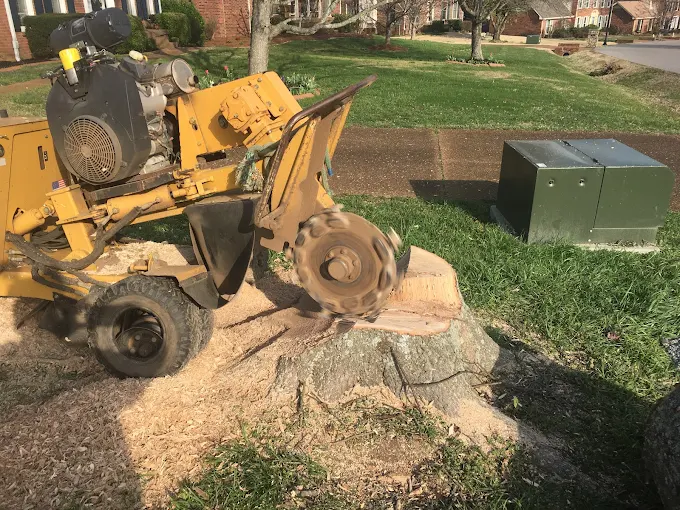
A leftover tree stump can make your yard look messy and unsafe. It can get in the way when mowing, create a tripping hazard, attract pests, and take up useful outdoor space. Many homeowners search for how to remove a tree stump because they want a safer, cleaner yard without causing damage. If you live in Murfreesboro, TN, there are several ways to remove a stump. Some small stumps can be handled with basic tools, but larger stumps often need professional equipment. This guide explains the safest options and when to call a local tree service like All American Tree Service. Why You Should Remove a Tree Stump Tree stumps may seem harmless, but they can cause problems over time. Stumps Can Be Safety Hazards A stump can become a tripping hazard for children, pets, and guests. If grass or weeds grow around it, the stump may be hard to see. Exposed roots can also make your yard uneven and harder to walk across. Stumps can also make mowing more difficult. You may have to mow around them carefully, and hidden roots can damage lawn equipment. Stumps Can Attract Pests Old stumps slowly decay. As they rot, they may attract ants, beetles, termites, and other insects. These pests can spread to nearby plants, trees, or even closer to your home. Removing the stump helps keep your yard cleaner and lowers the chance of pest problems. Stumps Can Hurt Curb Appeal A leftover stump can make your yard look unfinished. Removing it gives your lawn a cleaner appearance and creates space for grass, flowers, shrubs, or new landscaping. What to Check Before Removing a Tree Stump Before you start removing a stump, inspect the area carefully. Look at the Size and Location Small stumps are easier to remove by hand. Large stumps, old stumps, or stumps from hardwood trees can be much harder. Also check if the stump is close to your house, fence, driveway, sidewalk, or garden. If the stump is near a structure, professional help is usually safer. Check for Underground Utilities Before digging, think about what may be under the ground. Gas lines, water lines, cable lines, drainage pipes, or sprinkler systems could be nearby. Never dig blindly. Damaging an underground line can be dangerous and expensive. Wear Safety Gear If you try DIY stump removal, wear work gloves, safety glasses, long pants, and closed-toe boots. If you use loud equipment, wear hearing protection. Safety gear helps protect you from sharp roots, flying debris, and rough wood. How to Remove a Tree Stump Safely There are a few common ways to remove a tree stump. The best method depends on the stump size, your tools, and how fast you want the job done. Method 1: Digging Out the Stump by Hand This method works best for small stumps with shallow roots. Start by digging around the stump to expose the roots. Cut smaller roots with loppers or a pruning saw. For thicker roots, you may need an axe or mattock. Once the roots are cut, rock the stump back and forth until it loosens. After removing the stump, fill the hole with soil and level the area. This method is low-cost, but it takes time and effort. It is not ideal for large or deep-rooted stumps. Method 2: Stump Grinding Stump grinding is one of the fastest and most common ways to remove a stump. A stump grinder cuts the stump down below ground level. The roots usually stay underground and break down over time. For many Murfreesboro homeowners, stump grinding is the best choice because it is quick, clean, and less damaging to the yard than full stump removal. However, stump grinders are powerful machines. They can throw wood chips and debris, so they should be used carefully. If you do not have experience, hiring a professional is the safer option. Method 3: Chemical Stump Removal Chemical stump removal uses a product that helps soften and break down the wood. Usually, holes are drilled into the stump, and the chemical is added. This method requires less physical work, but it is slow. It can take weeks or months. You also need to keep children and pets away from the treated stump and follow the product instructions carefully. Method 4: Natural Decomposition Natural decomposition means letting the stump rot on its own. You can speed this up by drilling holes, adding compost or mulch, and keeping the stump moist. This method is simple and eco-friendly, but it takes a long time. It may also attract pests while the stump decays. Stump Grinding vs. Full Stump Removal What Is Stump Grinding? Stump grinding removes the visible stump below the surface. It is faster, less invasive, and works well for most yards. What Is Full Stump Removal? Full stump removal takes out the stump and major roots. This requires more digging and leaves a larger hole. It may be needed if you plan to build, install hardscaping, or plant a new tree in the same spot. For most homeowners, stump grinding is the easier and safer choice. Mistakes to Avoid When Removing a Stump Do not pull a stump with a truck or SUV. This can damage your vehicle, tear up your lawn, or cause serious injury. Do not burn a stump without understanding local rules and fire risks. Fire can spread through dry grass, roots, or nearby structures. Do not cut too close to the ground with a chainsaw. Dirt and rocks can damage the chain and cause dangerous kickback. When to Call a Professional Call a professional if the stump is large, close to your home, near a driveway, or surrounded by thick roots. You should also get expert help if you are unsure which method is safest. All American Tree Service provides stump grinding and tree services for homeowners in Murfreesboro, TN, and nearby Middle Tennessee areas. A local team can inspect the stump, recommend the right solution, and remove it safely. Final Thoughts Knowing how